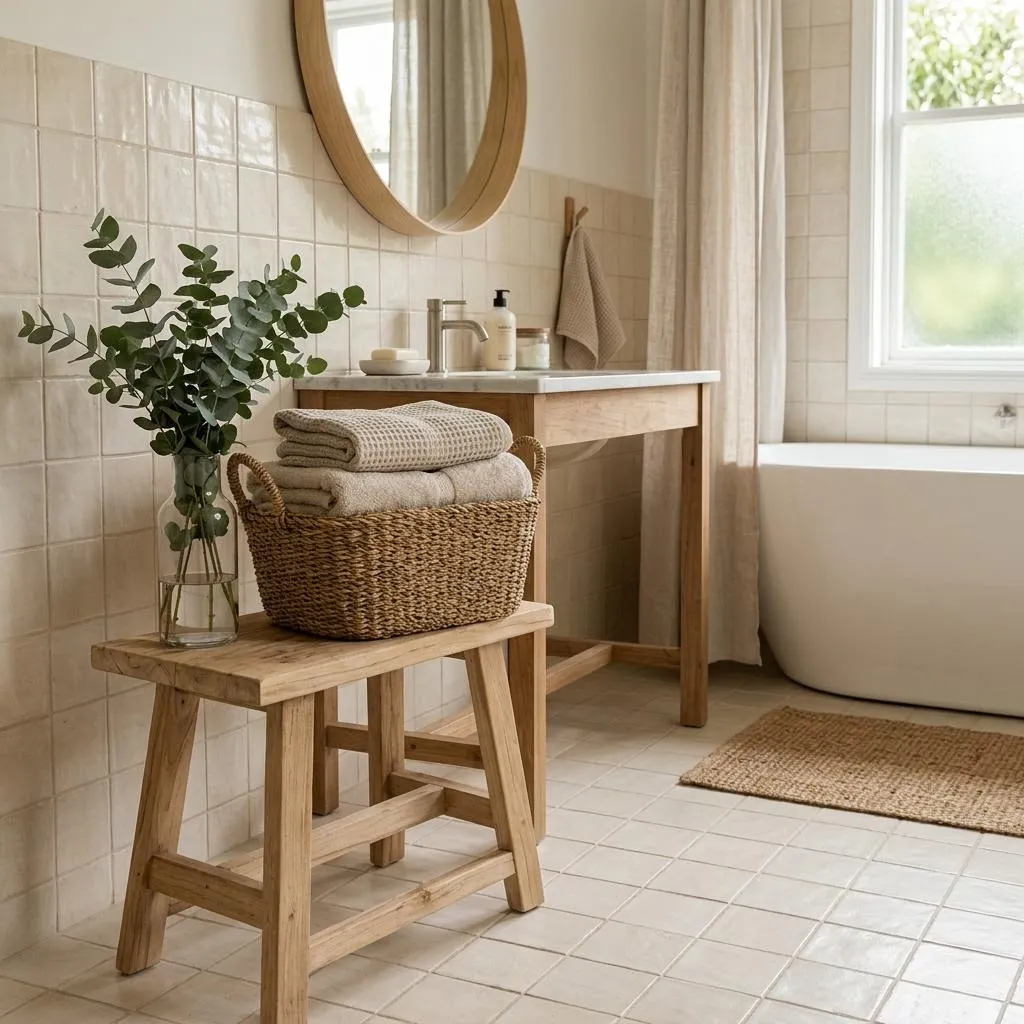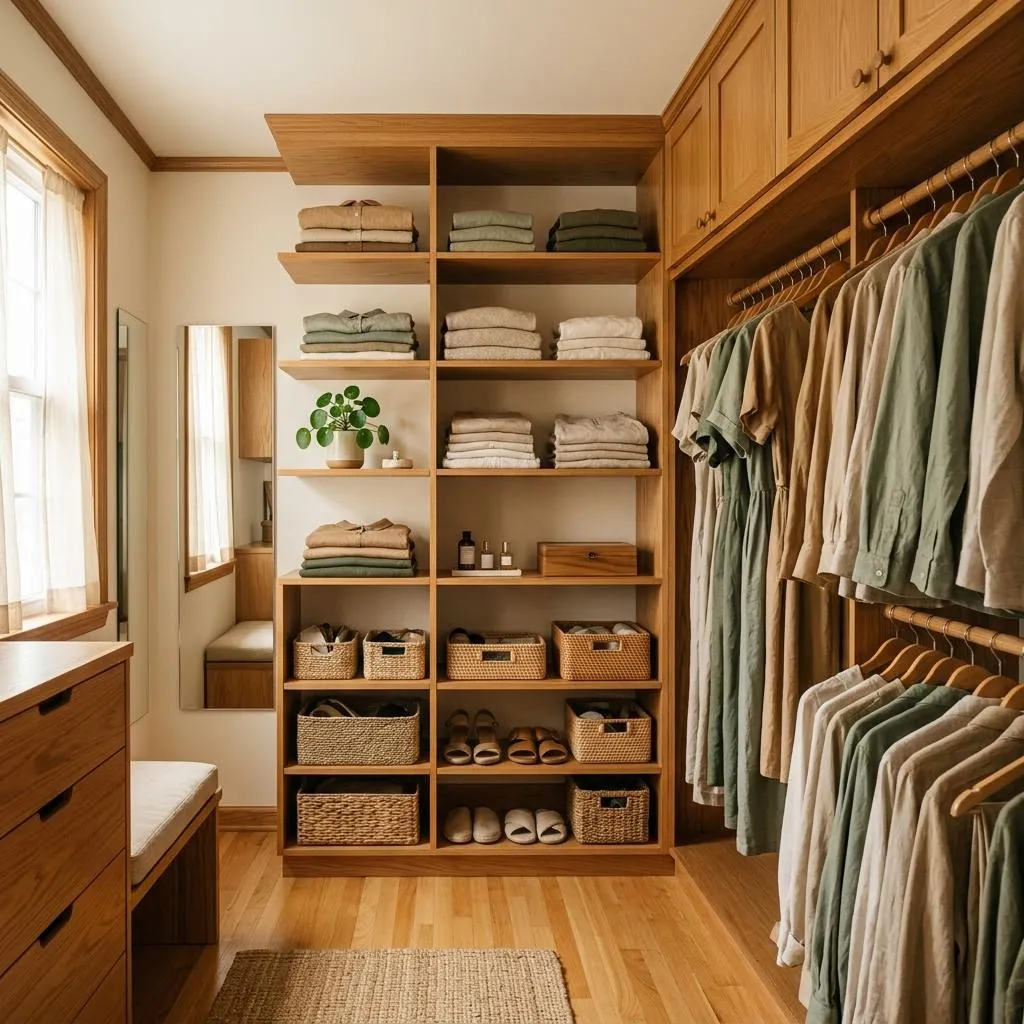
You shouldn't have to unfold three sheets to find the one that fits the bed. Group linens by size or room, keep towel stacks easy to lift, and leave room to put clean laundry back. Neat-enough folds are all you need.
Start with one shelf
Clear one shelf onto a nearby bed or table so the hallway stays open. Wipe the shelf and let it dry. If you find dampness, pests, or a musty smell, deal with the cause before returning fabric.
Measure the shelf depth, width, and vertical clearance. Note which areas are comfortably reachable. Deep shelves may need front-and-back zones; they do not automatically need an organizer.
Group linens by the beds and people using them
Create broad groups: bed linens by size or room, bath towels, hand towels, washcloths, guest linens, and genuinely useful cleaning cloths. Match sheet components and check care labels. If several beds use the same size, a shared category may be simpler than separate room bundles.
Release unusable items through an appropriate route. Keep a realistic rag quantity rather than converting every worn towel into an endless cleaning reserve. Check an organization's acceptance rules before donating; not every textile is suitable.
Keep enough for your laundry routine
Think about how often you wash, how long things take to dry, and what you need for guests or care routines. Keep enough to change a bed or towels between loads, with extra sets where your household needs them.
Keep special-occasion linens when they have a real role, but move them out of prime reach. If you cannot identify which bed a sheet fits, label it after checking rather than letting it remain a mystery stack.
Put the most-used linens within reach
Put everyday towels and the most-used bed linens at easy reach. Store light occasional items higher if safe, and bulky heavier items low. Do not stack fabric so high that it falls toward the person opening the door.
Leave enough space at the front to grip a folded set and slide it back in. Fold one towel or sheet bundle to the shelf depth, then use that size for the rest.
Choose bundles or short stacks
| Method | Useful for | What to check |
|---|---|---|
| Sheet set bundled together | Distinct bed sizes or room assignments | All pieces are fully dry |
| Separate short component stacks | Shared sizes and frequent mixing | Labels clearly distinguish fitted and flat |
| Towel stacks by type | Simple visual inventory | Stacks remain low enough to lift easily |
| Existing breathable basket | Small washcloths or loose accessories | Material suits conditions; contents stay visible |
Keep sets together without elaborate folding
Fold each set into a size that fits the shelf and keep matching pieces together. A pillowcase can hold a dry set loosely. Add a room or size label so nobody needs to open the bundle to find out where it belongs.
Keep towel stacks modest
Keep towel stacks short enough to remove one without toppling the rest. Put freshly washed towels behind the dry ones already there so the same few aren't always used. Leave damp towels out to dry.
Keep unrelated supplies from taking over
If toiletries, medicines, or cleaning products share the closet, check that their labels allow the storage conditions. Keep chemicals secured and separate from clean fabric, with no leaking bottles above linens.
Give shared supplies a clearly separate section. Move anything that can't be stored suitably to another location.
Label the shelf, not every fold
Use ordinary language such as “queen sheets,” “bath towels,” and “guest linens.” Put labels where they remain readable when the shelf is full. Try paper and removable tape before permanent labels.
If people keep returning items to the wrong zone, ask whether the groups are too narrow or the target shelf is inconvenient. A system should be understandable without a long explanation.
Tidy the shelf as clean laundry comes back
When clean linens return, check dryness, restore short stacks, and move out unrelated items. Review rarely used sets seasonally or after changes in beds and household needs. Keep a short list of genuine replacement needs rather than shopping from memory.
Add a basket only for a loose group that needs one, such as washcloths that keep falling behind a stack. Leave broad folded items on the shelf where you can see and lift them.
Before you close the closet
- The cupboard is dry and sound.
- Every set has a known size or purpose.
- Everyday linens sit within comfortable reach.
- Stacks are stable and not overpacked.
- Laundry can be returned without unloading the shelf.
- Hazardous or unsuitable supplies have been relocated appropriately.
Linen closet questions
What if I do not have a linen closet?
Use a dry drawer or shelf near the bedroom or bathroom. Keeping a backup sheet set near each bed can save space elsewhere and make changing the bed easier.
See small bathroom storage and small closet organization for connected projects.