Start with the broken pen, the empty carton, or the lid that hasn't matched a container in months. Small decisions make it easier to begin. Use these 25 categories to find things that no longer earn their space, while keeping useful spares and belongings you rely on.
Leave other people's things for them to decide, and save important records or sentimental boxes for a separate session.
Decide where outgoing things will go
Set out a box for donations, a bag for trash, and a short list for items needing special recycling or disposal. Check local collection rules before sorting. Keep the first session to one drawer or shelf so you can finish putting everything away.
Measure the storage boundary you want back—a drawer, shelf, or basket. Stop sorting when the remaining things fit accessibly, not when you reach an arbitrary number.
1. Empty packaging
Remove empty wrappers and cartons that have no return, warranty, storage, or reuse purpose. Flatten suitable cardboard and follow local recycling rules. Keep packaging you genuinely need for a planned move or equipment return, but give it a defined space rather than an unlimited pile.
2. Broken pens and dried markers
Test them on scrap paper and separate working supplies from unusable ones. Keep enough for the places you actually write. Check whether a local specialist collection accepts the rest; ordinary recycling often does not. A single functioning pen is more helpful than a cup of uncertain ones.
3. Cables you can no longer match to a device
Match each cable to a device before releasing it. Label the working pair and store it together. Keep a small documented spare group if needed. Do not discard a critical cable merely because it is unfamiliar; ask the person who uses the equipment first.
4. Damaged charging accessories
Stop using frayed, cracked, or overheated charging accessories. Use the appropriate electrical-waste collection route and don't donate unsafe chargers. Label the working cables you keep so they're easy to find.
5. Duplicate kitchen gadgets
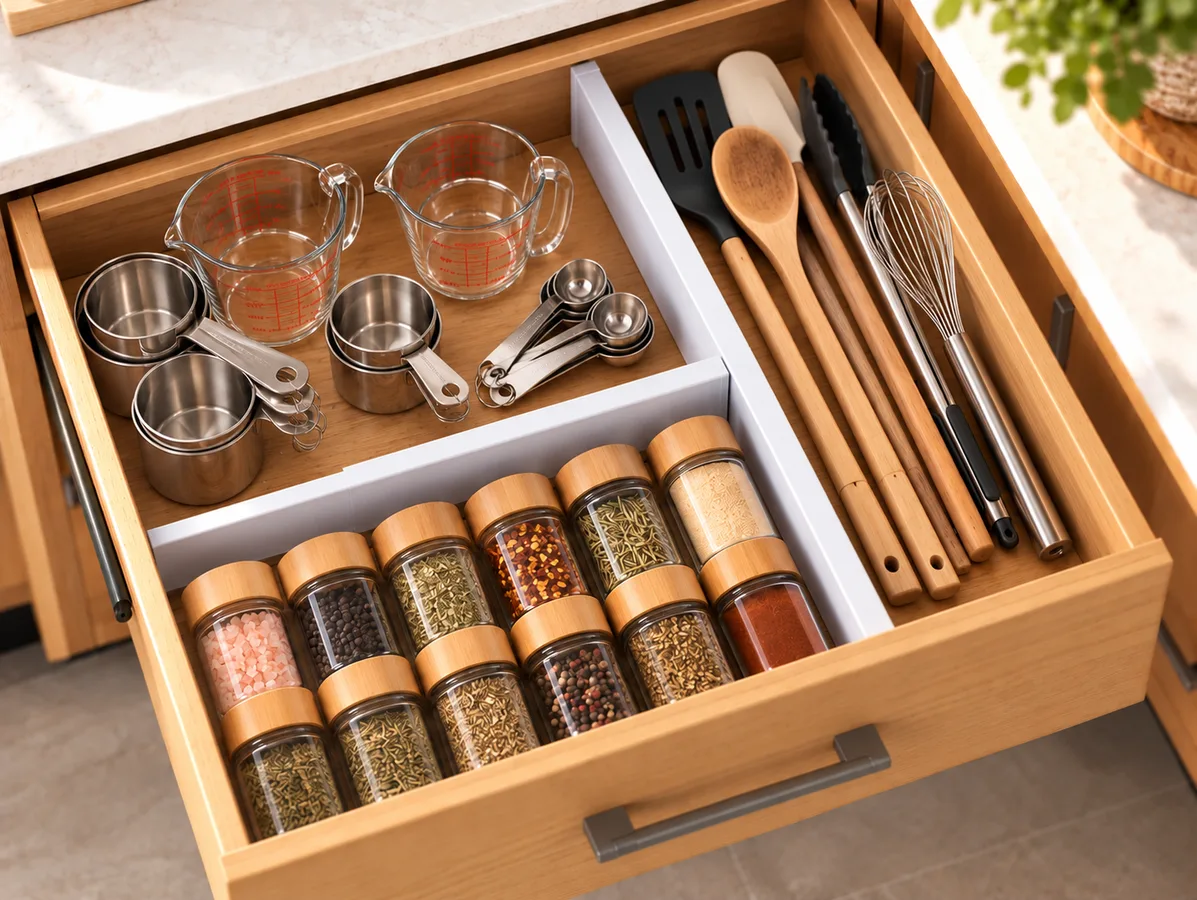
Compare duplicates during a realistic cooking and dishwashing cycle. Keep multiples you actually use and release sound extras through a suitable route. Avoid discarding an essential tool simply because another looks similar. The kitchen drawer guide helps create a practical boundary.
6. Containers without a useful match
Pair food containers with their lids and check manufacturer guidance and condition. Reuse a suitable unmatched piece for non-food organization if it has a genuine job. Do not move every unmatched piece into another cupboard “just in case.” Recycle only where its material and local scheme allow.
7. Worn linens you no longer use
Review condition and realistic use. A limited number may become cleaning cloths if suitable, but do not create a lifetime supply of rags. Donation and animal-care organizations set their own rules; check before delivering. Store usable replacements clean and fully dry.
8. Worn-out dish sponges and brushes
Replace tools that are no longer appropriate for cleaning and follow relevant care guidance. Do not keep exhausted sponges as indefinite backups beside the fresh ones. If a tool can be maintained safely, do that; if not, use the correct local waste route.
9. Unwanted promotional items
Keep a tote, bottle, or notebook if you actually use it. Offer sound extras where welcomed and refuse unnecessary new freebies. Donation is not a guarantee that an item will be used, so avoid passing on broken or unhygienic goods simply to clear a shelf.
10. Duplicate manuals you have saved elsewhere
Check that the correct model's instructions are available and save a durable copy if helpful. Keep safety documents, warranty details, or materials you need offline. Do not discard essential instructions because a generic online manual looks close enough. Record the model before recycling redundant paper.
11. Outdated takeout menus and flyers
Remove advertising that no longer helps you choose or act. Keep useful information in one current reference spot if internet access is unreliable. Check for private details before recycling. The goal is a usable paper boundary, not eliminating every physical reference.
12. Receipts you no longer need
Check return periods, warranties, reimbursements, and tax or other recordkeeping needs first. Shred sensitive information when it's ready to go, and check local rules for thermal receipts. Keep important financial records for as long as they're needed.
13. Clothing that no longer serves you
Keep clothes that fit comfortably and work for your life now, including adaptive or essential pieces you rely on. Donate usable extras under the recipient's acceptance rules, and find a textile route for damaged items.
14. Uncomfortable shoes you do not wear
Decide whether a specific repair is feasible and worth arranging. Put an actual action date on it. Release sound pairs if they do not work for your feet or activities. Keep necessary occasion or work footwear even if used infrequently; usefulness is not the same as frequency.
15. Single socks with no likely match
Check the laundry, bedding, and machine area first. Give unmatched socks a small waiting container and a review date. Reuse a limited number as cloths if suitable. Keeping every single sock forever simply turns a missing-pair problem into a storage category.
16. Toiletry samples you will not use
Check condition, suitability, and any date or opening guidance. Keep only realistic travel or daily-use items. Organizations often restrict donations of toiletries, particularly opened ones. Do not empty chemicals or cosmetics into drains without checking appropriate disposal instructions.
17. Empty bathroom bottles
Confirm they are actually empty and sort packaging by local material rules. Caps, pumps, and mixed materials may have different requirements. Avoid refilling a product bottle with something else unless the original manufacturer explicitly supports that use; labels should not mislead anyone.
18. Outdated medicines
Ask a pharmacist or local take-back service how to dispose of unwanted medicines. Keep them labeled and secured while waiting. Don't flush them or put them in household trash unless the relevant authority directs that route.
19. Unwanted household chemicals
Keep original labels and containers intact and consult local hazardous-waste rules. Do not mix remnants, transfer them into drink bottles, or give unsafe products away. If the container is leaking, seek appropriate handling guidance rather than moving it around the house casually.
20. Damaged batteries and old electronics
Use the correct specialist collection route and follow local handling instructions, particularly for damaged lithium batteries. Protect personal data on devices using reliable procedures before release. Do not put a suspect battery into a mixed donation box or leave terminals loose against metal.
21. Games with missing essential pieces
Check whether a replacement part can be obtained or a complete set assembled from what you own. Ask the players whether the game is still useful. Label incomplete sets honestly if offering them. Avoid donating an unusable game as though it were complete.
22. Supplies for projects you no longer want to finish
Distinguish a paused project from one you no longer want to finish. Keep materials needed for genuine current activities. Offer usable extras to someone who wants them, with safe handling information where needed. Letting go of a project does not mean the interest was a mistake.
23. Expired calendars and obsolete planners
Check for records, addresses, or notes you need to keep before releasing the paper. Transfer essential information deliberately. Store a small memory selection if it matters, but separate it from the active planning area so old pages do not obscure current commitments.
24. Extra vases and decorative containers
Keep the pieces you use or enjoy displaying and a realistic number for occasional flowers or hosting. Measure the shelf you want this category to occupy. Offer clean sound extras appropriately. Do not turn every empty jar into an organizer unless it has an actual job.
25. Unused storage organizers
A bin that does not fit, a divider that jams a drawer, or a rack without a safe installation spot may be clutter itself. Test a genuine alternative use before releasing it. Avoid buying replacement organizers until you understand why the current ones failed.
Keep one less thing from coming in
Choose one incoming boundary: stop accepting unneeded freebies, check stock before shopping, or review the essentials drawer monthly. Write the rule on your printable reset checklist. Decluttering lasts longer when fewer unneeded things arrive.
Keep useful spares when replacing them would be difficult. Label them and choose a spot where you can find them, rather than letting them disappear into a mixed box.